
In just a few years, TikTok has become a cultural phenomenon, captivating millions of users worldwide with its short, engaging videos and hyper-personalized content. Whether you’re watching funny skits, dance challenges, or life hacks, the platform keeps you hooked with its seemingly endless stream of entertainment.
Some numbers around TikTok
TikTok has experienced remarkable growth and engagement since its launch. Here are some key numbers – Source: How many users on TikTok? Statistics & Facts (2025)
- Content categories: The most popular categories on TikTok are Entertainment, Dance, and Pranks, with billions of views each
- Monthly active users: TikTok has over 1 billion monthly active users globally, with 150 million in the United States (growth of over 10 times in last 5 years).
- User demographics: About 44% of TikTok users are under 25 years old.
- Time spent: The average daily time spent on TikTok has more than doubled from 27 minutes in 2019 to 58 minutes in 2024.
- Engagement rate: TikTok has an average engagement rate of 5.96%, making it the most engaging social media platform.
- Regional growth: By 2023, TikTok is projected to have 682 million users in the Asia Pacific region (excluding China and India), 238 million in Europe, and 192 million in North America.
But what makes TikTok so hard to put down?
The secret lies in its algorithm, which curates content tailored to your interests, and its ability to trigger the brain’s reward system through bursts of dopamine—the “feel-good” chemical that reinforces pleasurable activities. This clever combination of psychology and technology creates a feedback loop that keeps users scrolling for hours.
Dopamine is at the heart of TikTok’s addictive design.
The app capitalizes on variable rewards—those unpredictable moments when you find an exceptionally engaging video—similar to pulling the lever on a slot machine. Each time you laugh at a funny clip, discover something new, or feel validated by likes and comments, your brain releases dopamine, reinforcing the desire to keep scrolling.
TikTok’s endless feed and short-form content further amplify this effect, delivering quick hits of entertainment without requiring much effort. The result?
A platform that not only entertains but also conditions the brain to crave more, making it one of the most compelling social media experiences today.
A 2022 study from the Frontiers in Psychology journal found that TikTok is the most highly addictive of all social media platforms. TikTok manipulates dopamine levels through several key mechanisms designed to create an addictive user experience.
TikTok’s AI-driven algorithm
TikTok’s AI-driven algorithm is a sophisticated system designed to create a highly personalized and engaging user experience.
TikTok’s AI-driven algorithm is a highly sophisticated system that tailors content to individual users, creating an addictive and personalized experience. By analyzing user interactions—such as likes, shares, watch time, and even pauses—the algorithm learns preferences and predicts what content will keep users engaged.
It uses machine learning to identify patterns in behavior and pairs this with metadata from videos, including hashtags, captions, and trending sounds, to deliver a feed uniquely curated for each user.
This real-time adaptability ensures that TikTok’s content always feels fresh and relevant, driving high levels of user engagement and fostering an unparalleled connection between the platform and its audience.
Why It Can Be Addictive
- Short-form content: TikTok’s 15-60 second videos provide rapid-fire bursts of entertainment, each potentially triggering a small dopamine release[1]. This creates a short-term dopamine feedback loop, reinforcing the behavior of continued scrolling. According to a 2020 study from the University of California – San Diego, TikTok users in the United States open the app an average of eight times per day and spend an average of 46 minutes on the app.
- Infinite scroll: The endless stream of content removes natural breaking points, keeping the dopamine system constantly engaged and making it difficult for users to stop scrolling. According to the researchers of another study “the system quality has a stronger influence than information quality in determining adolescents’ experience with TikTok and that the flow experience has significant direct and indirect effects on TikTok addiction behavior” – meaning the way the algorithm chose the content to visualize and for how long influence more the experience than the content itself.
- Personalized “For You” page: TikTok’s AI-driven algorithm presents highly tailored content, creating a consistently rewarding experience that triggers more frequent dopamine releases. The average daily usage of TikTok is 95 minutes (compared to 17 minutes for YouTube and 29 minutes for Instagram), made possible through continuously analyzing user behavior and content characteristics, TikTok’s AI algorithm creates an addictive and personalized experience that keeps users engaged for extended periods.
- Variable reward pattern: The algorithm regularly incorporates new content types to discover new facets of user interests. The unpredictable nature of content quality in the feed triggers dopamine release, similar to the mechanism behind slot machines. Besides dopamine, TikTok also triggers the release of epinephrine, norepinephrine, and oxytocin, creating a complex neurochemical response that enhances the addictive potential.
- Real-time adaptation: The algorithm quickly adjusts to changes in user preferences and behavior. Using a new sophisticated “collisionless embedding” system, it organizes not only content but also user data efficiently (by categories) enabling better and faster recommendations. The “Monolith” system (this is how it’s called) updates its model continuously, learning from user interactions and syncing the data at short intervals.
- Content relevance over creator popularity: Even new creators can gain visibility if their content resonates with users. It mixes constantly contents from new creators with established ones, to enhance the possibilities to become viral for anyone, also without high number of contents.
This combination of features creates a powerful cycle of anticipation and reward, keeping users engaged and continuously seeking the next dopamine hit. The result is a “dopamine machine” that can lead to addiction-like behaviors and potentially negative long-term consequences for users’ mental health and cognitive function.
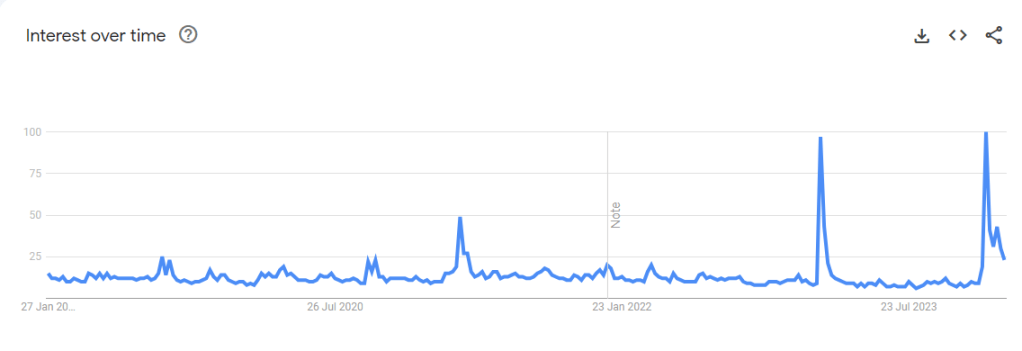
US is concerned: TikTok faces a U.S. Ban
The potential TikTok ban in the United States stems from national security concerns over its parent company, ByteDance, and its ties to China. Lawmakers worry that Chinese government laws could compel ByteDance to share sensitive user data or leverage TikTok’s content algorithms to spread misinformation. As a result, legislation has been passed requiring ByteDance to sell TikTok to a U.S.-approved buyer or face a nationwide ban. Despite TikTok’s denial of these allegations and efforts to distance itself from ByteDance, the pressure on the platform remains high.

 The Diary of a digital Journey